South Korea is a destination that changes dramatically with the seasons, but autumn brings a particularly beautiful transformation. As the heat of summer fades, cooler air settles across the country, the scenery becomes more colourful, and forests and city parks begin turning shades of red, orange, and golden yellow. From the streets of Seoul to the mountains of Seoraksan and the historic surroundings of Gyeongju, autumn gives travellers a chance to experience Korea at one of its most scenic times of year.
Autumn generally lasts from September to November, with fall foliage becoming especially prominent from October into early November. The exact timing varies by region and can shift depending on weather conditions, with northern and mountainous areas often changing colour earlier than southern destinations.
Here are some of the reasons why autumn should be near the top of your list when planning a trip to South Korea.
1. Experience Korea's Spectacular Autumn Foliage
The biggest reason to visit South Korea in autumn is undoubtedly its incredible fall foliage. Maple trees turn vivid red, ginkgo trees create golden canopies, and entire mountainsides become covered in layers of autumn colour.
Popular places such as Seoraksan National Park, Naejangsan National Park, Nami Island, and Hwadam Botanic Garden offer some of the country's most beautiful autumn scenery. Seoul also has plenty of foliage without requiring a long journey outside the capital, with places such as Gyeongbokgung Palace, Seoul Forest, Olympic Park, Seokchonhosu Lake, and Deoksugung Palace's Stone Wall Path offering colourful autumn landscapes.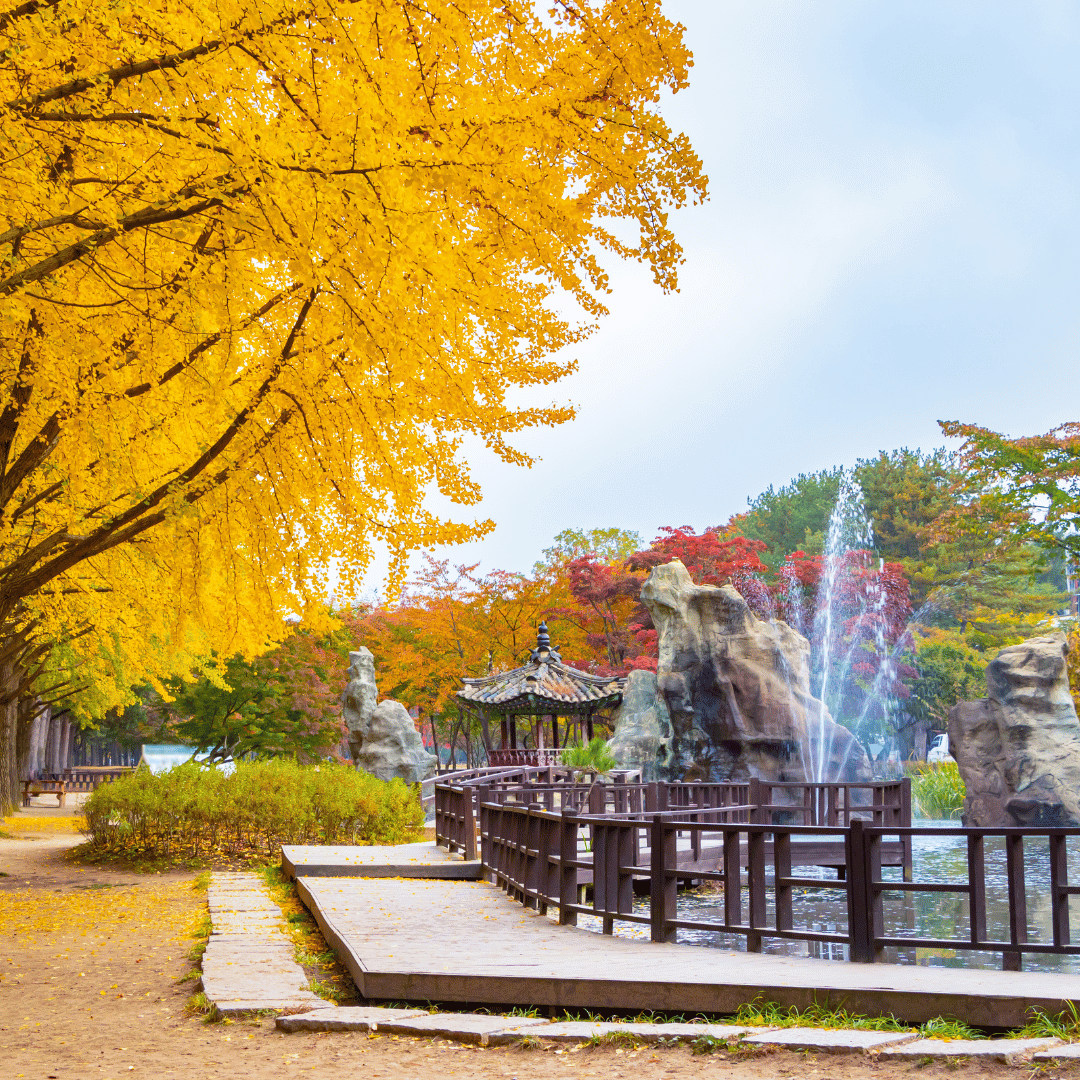
2. Enjoy Comfortable Weather for Exploring
Korea's summer can be hot and humid, while winter can become extremely cold. Autumn offers a more comfortable season for spending long days exploring cities, temples, markets, and hiking trails.
However, temperatures vary considerably through the season. September can still feel relatively warm, October is generally more comfortable for sightseeing, and November brings noticeably cooler weather. This makes October particularly appealing for travellers who want to combine sightseeing with outdoor activities.
The cooler conditions are especially useful if your itinerary includes several walking-heavy destinations or visits to national parks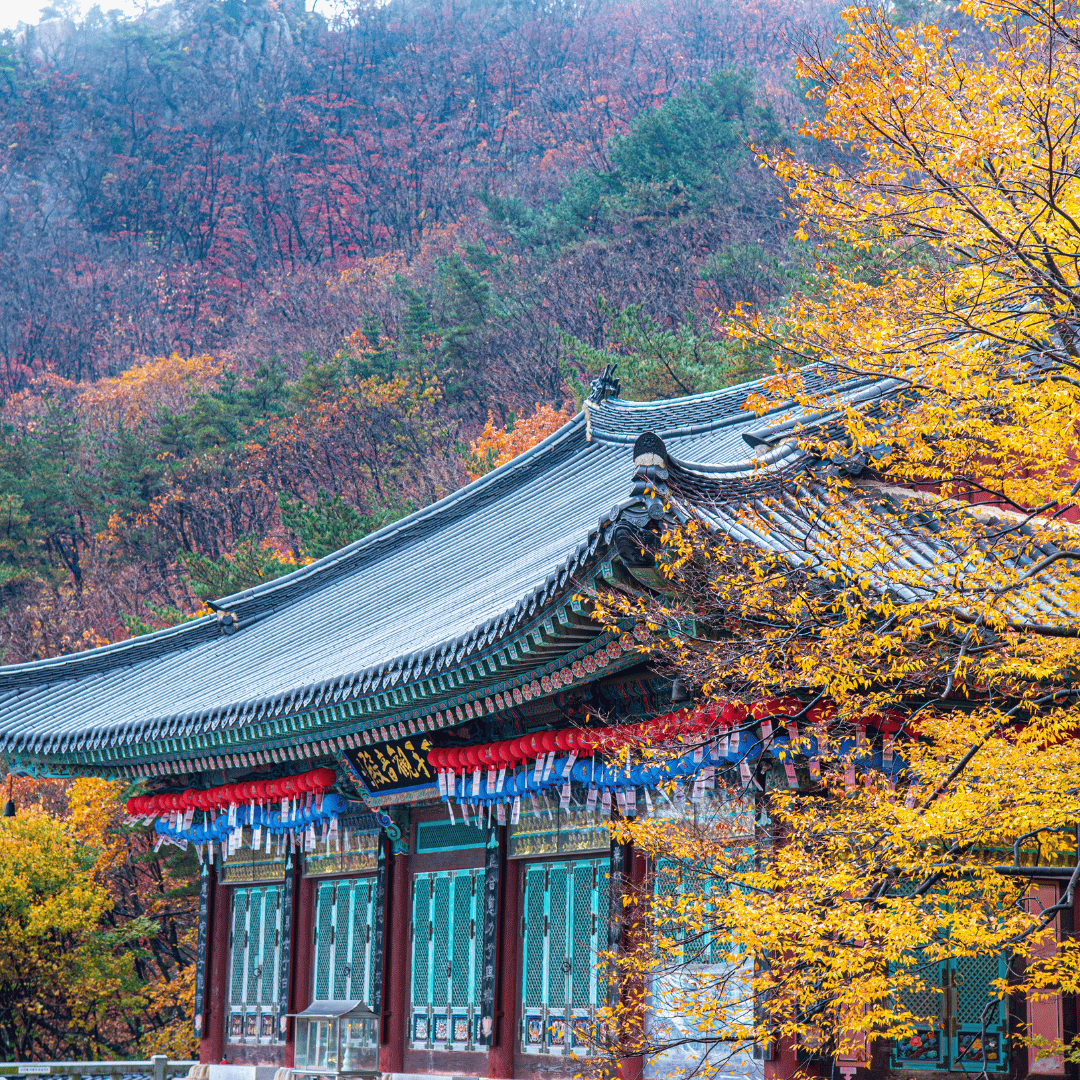
3. Explore Seoul in a Completely Different Way
Seoul is exciting throughout the year, but autumn gives the city a softer and more colourful atmosphere. Historic palaces, modern neighbourhoods, riverside parks, and mountain trails all take on a different appearance as the leaves change.
Visit Gyeongbokgung Palace surrounded by autumn colours, walk along the stone-wall path near Deoksugung Palace, or head to Namsan for views of the city framed by colourful trees. Seoul Forest, Olympic Park, and Seokchonhosu Lake are also popular choices for a relaxed autumn walk.
For a more local experience, spend an afternoon exploring a traditional market before stopping at a café for Korean tea or a warm seasonal drink.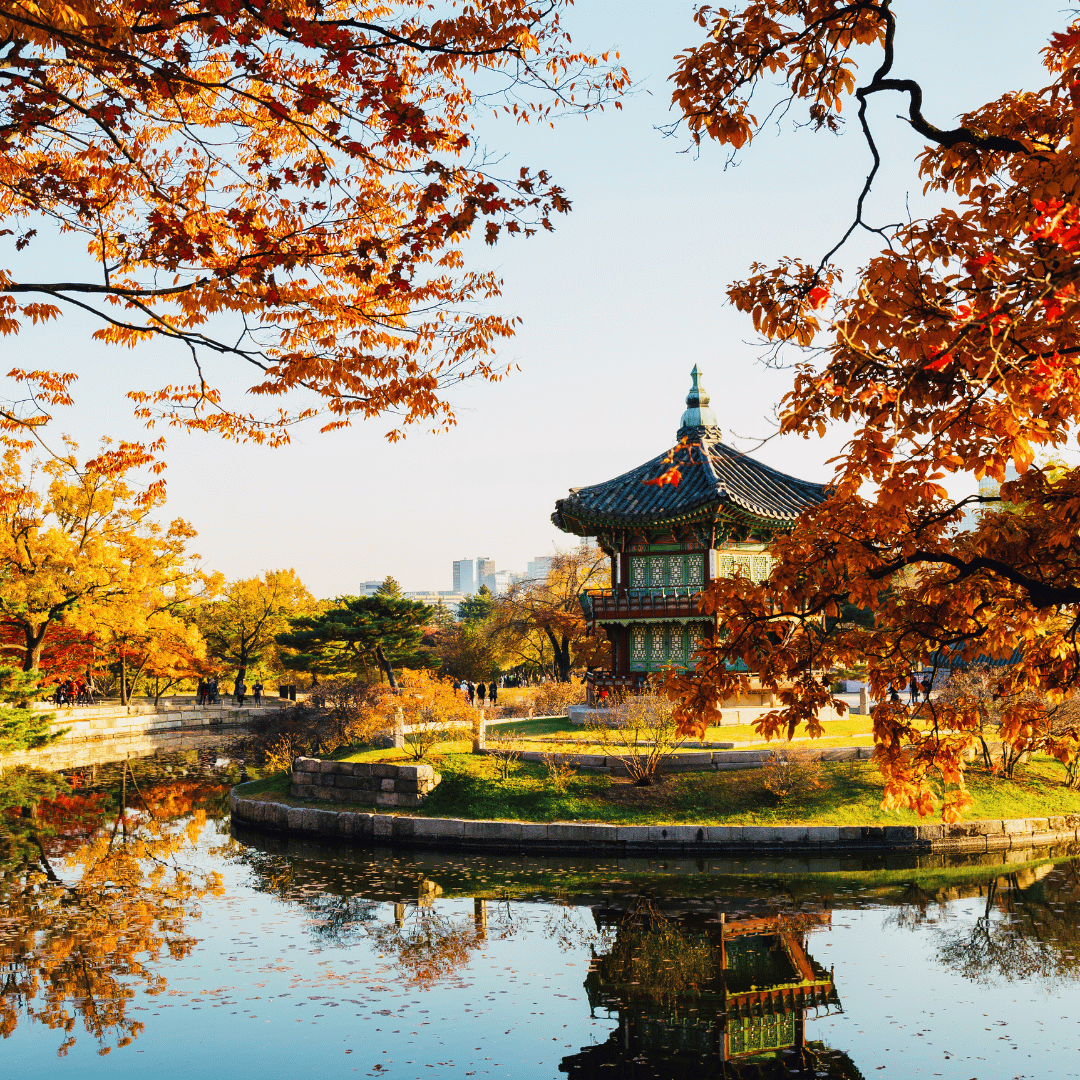
4. Take a Scenic Trip to Nami Island
Nami Island is one of the most recognisable autumn destinations near Seoul. Its tree-lined paths become especially picturesque during fall, making the island a popular destination for photographs, leisurely walks, and day trips.
The combination of golden ginkgo trees, colourful maple leaves, open spaces, and riverside scenery creates the kind of landscape that makes autumn travel in Korea so memorable. Nami Island is also an easy addition to a wider Seoul itinerary.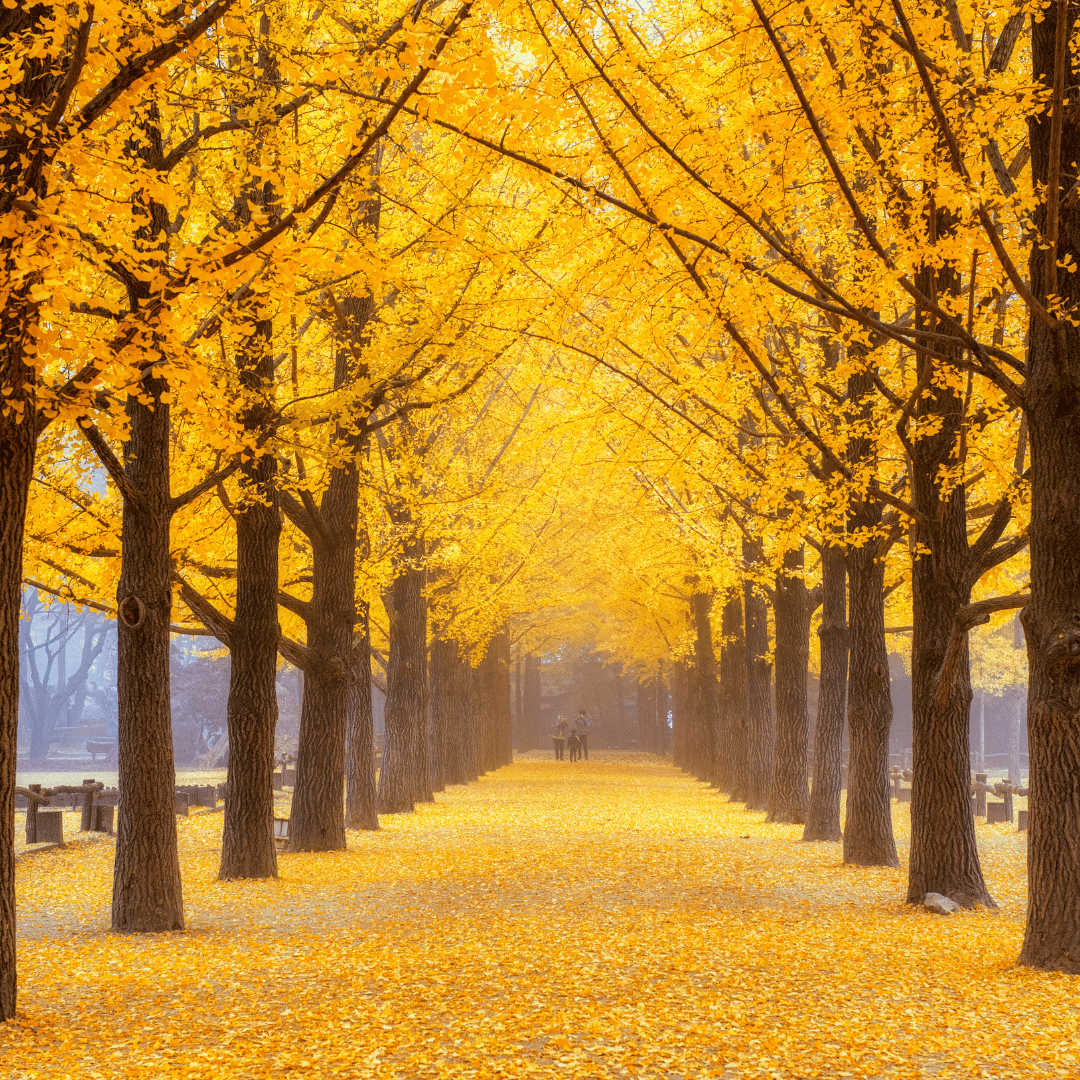
5. Discover Korea's Mountains and National Parks
Autumn is an excellent season for exploring Korea's mountainous landscapes. Seoraksan National Park is particularly famous for its dramatic peaks and colourful forests, while Naejangsan National Park is renowned for its spectacular autumn scenery.
Seoraksan is among the first major mountain destinations in Korea to show autumn colours, while Naejangsan tends to reach peak foliage later in the season. In the 2025 foliage forecast, peak colour was expected around October 23 at Seoraksan and around November 11 at Naejangsan, although actual dates can change depending on weather conditions.
For travellers who enjoy nature and outdoor activities, autumn provides an ideal balance of scenery and more comfortable temperatures.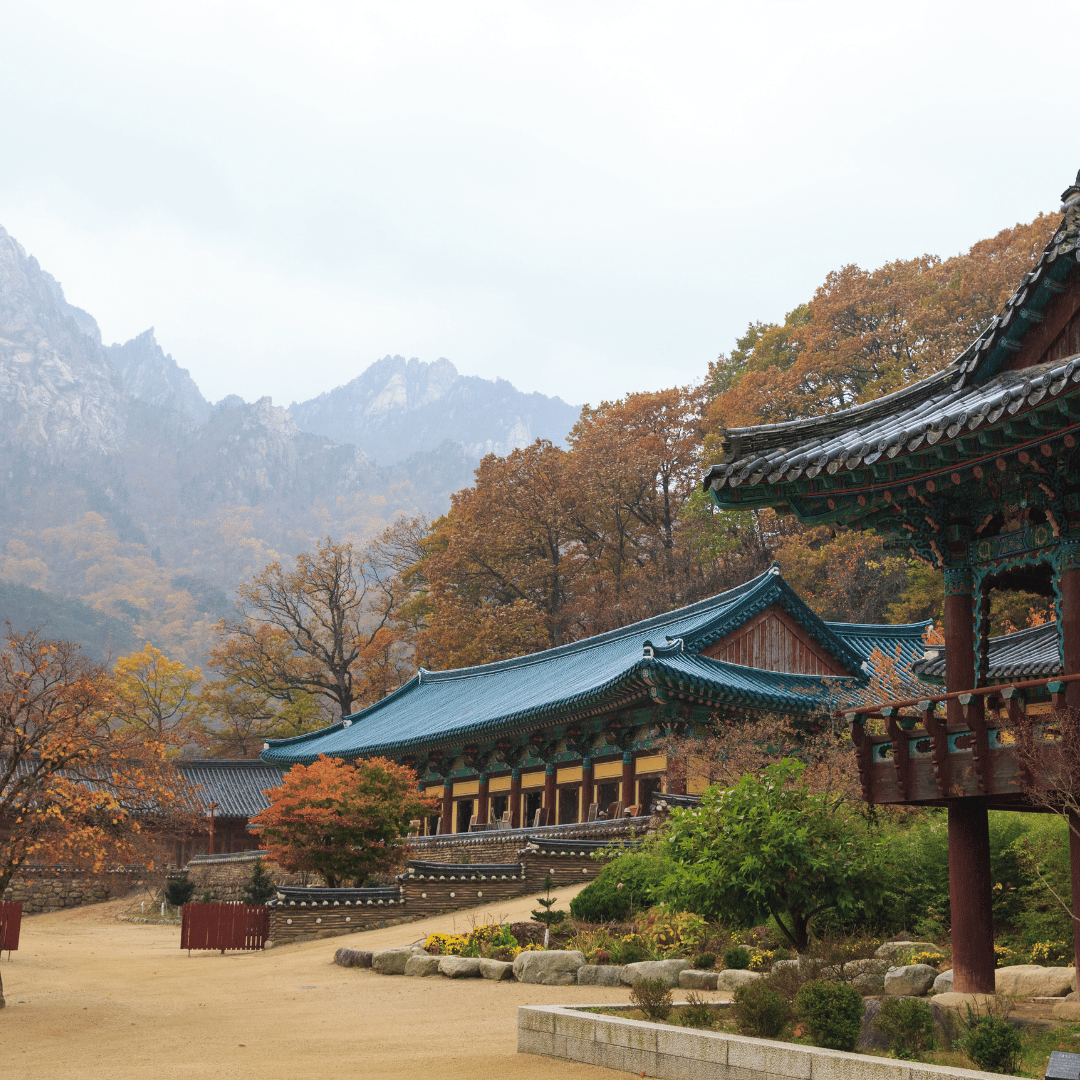
6. Discover Korea's Historic Side
Autumn scenery becomes even more impressive when combined with Korea's history and architecture. Historic temples, royal palaces, traditional villages, and ancient sites look particularly atmospheric when surrounded by colourful trees.
Gyeongju is an excellent example. The historic city is home to important cultural sites including Bulguksa Temple, which is also recognised as an attractive autumn foliage destination. The combination of cultural heritage and seasonal scenery makes Gyeongju a rewarding destination beyond the usual Seoul itinerary.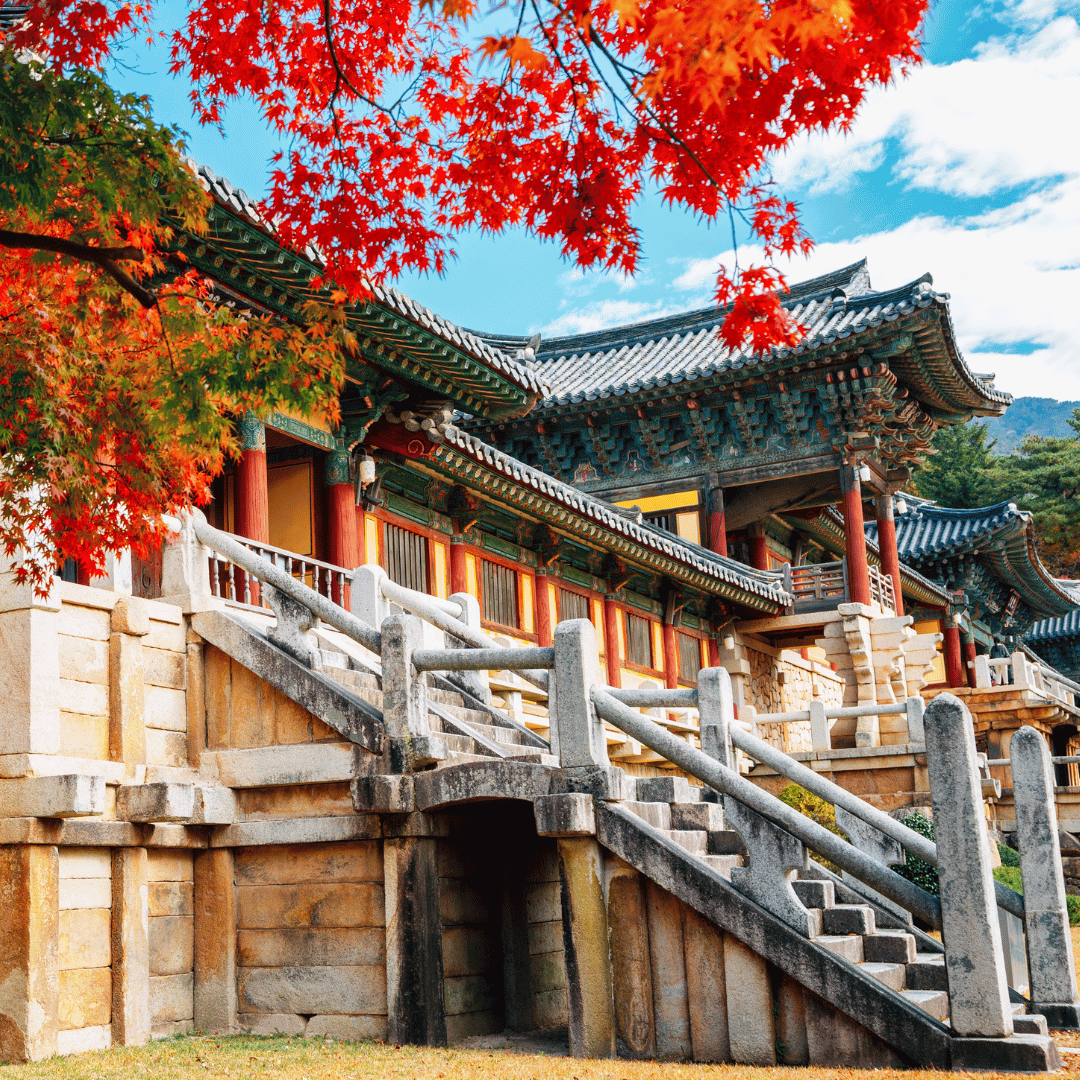
7. Taste Korea's Delicious Autumn Food
Autumn is not only a feast for the eyes—it is also an excellent season for food lovers. As the weather cools, Korea's markets and restaurants begin highlighting seasonal ingredients, including fresh seafood, grains, fruits, and other harvest produce.
Autumn is a particularly good time to explore traditional markets and try comforting Korean dishes alongside seasonal specialities. Depending on the region, you can look for prawns, apples, seasonal seafood, rice-based dishes, traditional snacks, and other local produce associated with the harvest season.
Autumn also brings food festivals across the country, giving travellers another opportunity to experience regional dishes and seasonal ingredients.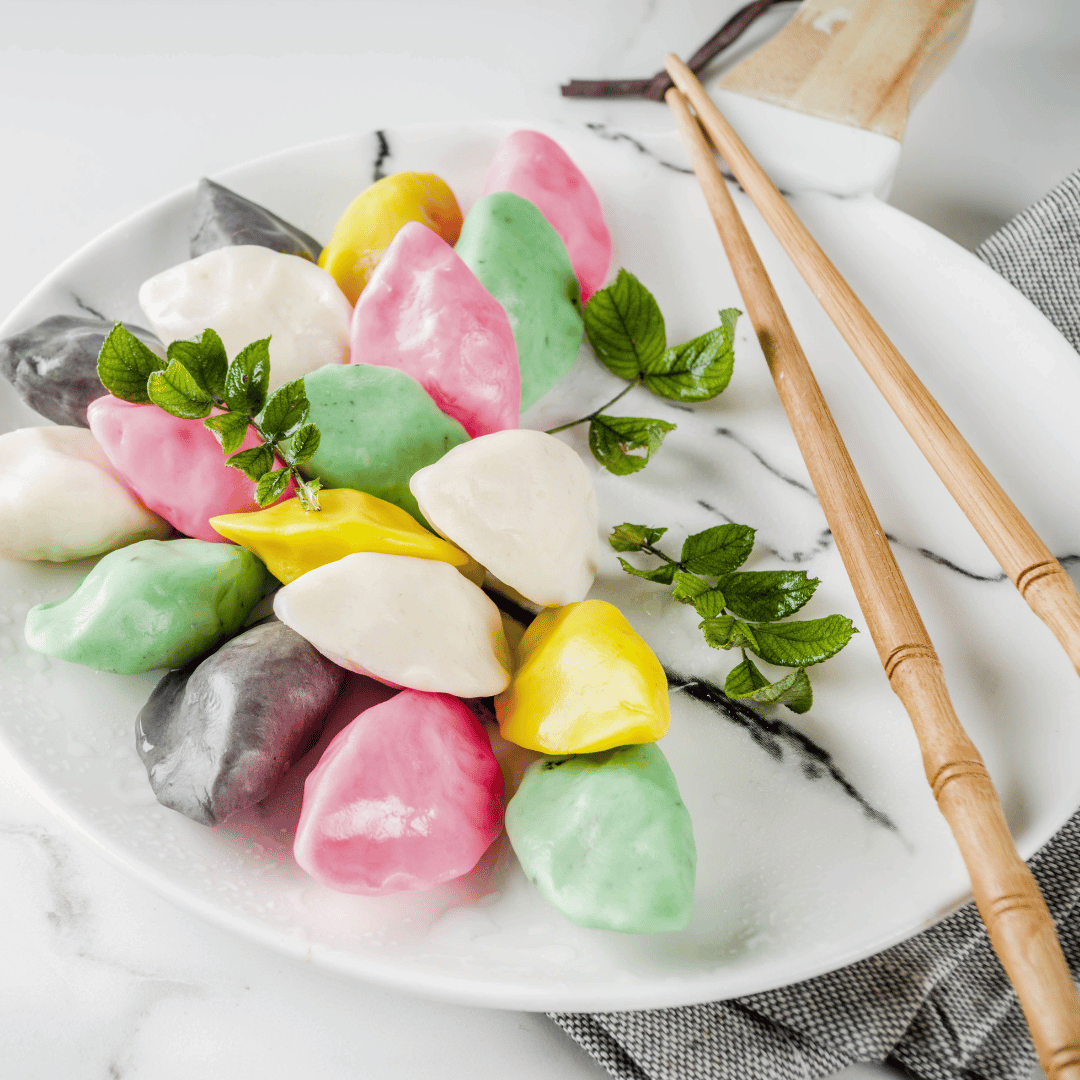
8. Experience Korea's Autumn Festivals
Autumn brings a lively festival atmosphere across South Korea. September and October are filled with events celebrating food, culture, local traditions, nature, and the arts.
Travellers may encounter traditional cultural festivals, food celebrations, autumn landscape events, and major events in cities such as Seoul, Busan, and Andong. For example, the Korea Tourism Organization highlights autumn festivals ranging from the K-Royal Culture Festival in Seoul to food and regional festivals across the country.
Festival dates and programmes can change from year to year, so checking the official schedule before travelling is recommended.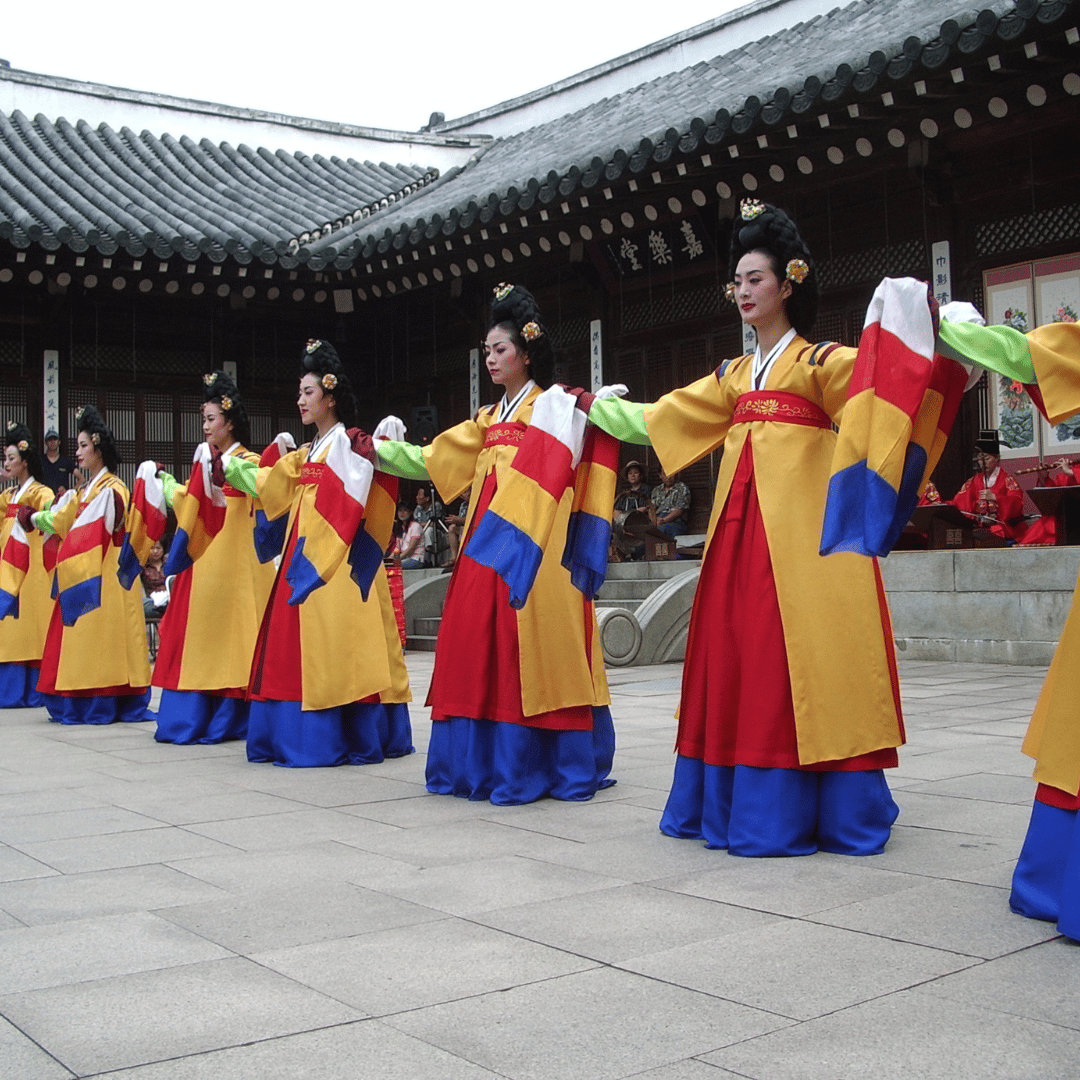
9. Go Shopping for Korean Autumn Favourites
Autumn is also a comfortable time to explore Korea's shopping districts without dealing with the intense summer heat. Seoul offers everything from traditional markets and independent boutiques to major shopping areas filled with Korean fashion, beauty, accessories, and lifestyle products.
For souvenirs, travellers can look for Korean tea, traditional crafts, ceramics, stationery, skincare products, snacks, and beautifully packaged local food products. Traditional markets are particularly useful for discovering regional snacks and gifts that are difficult to find elsewhere.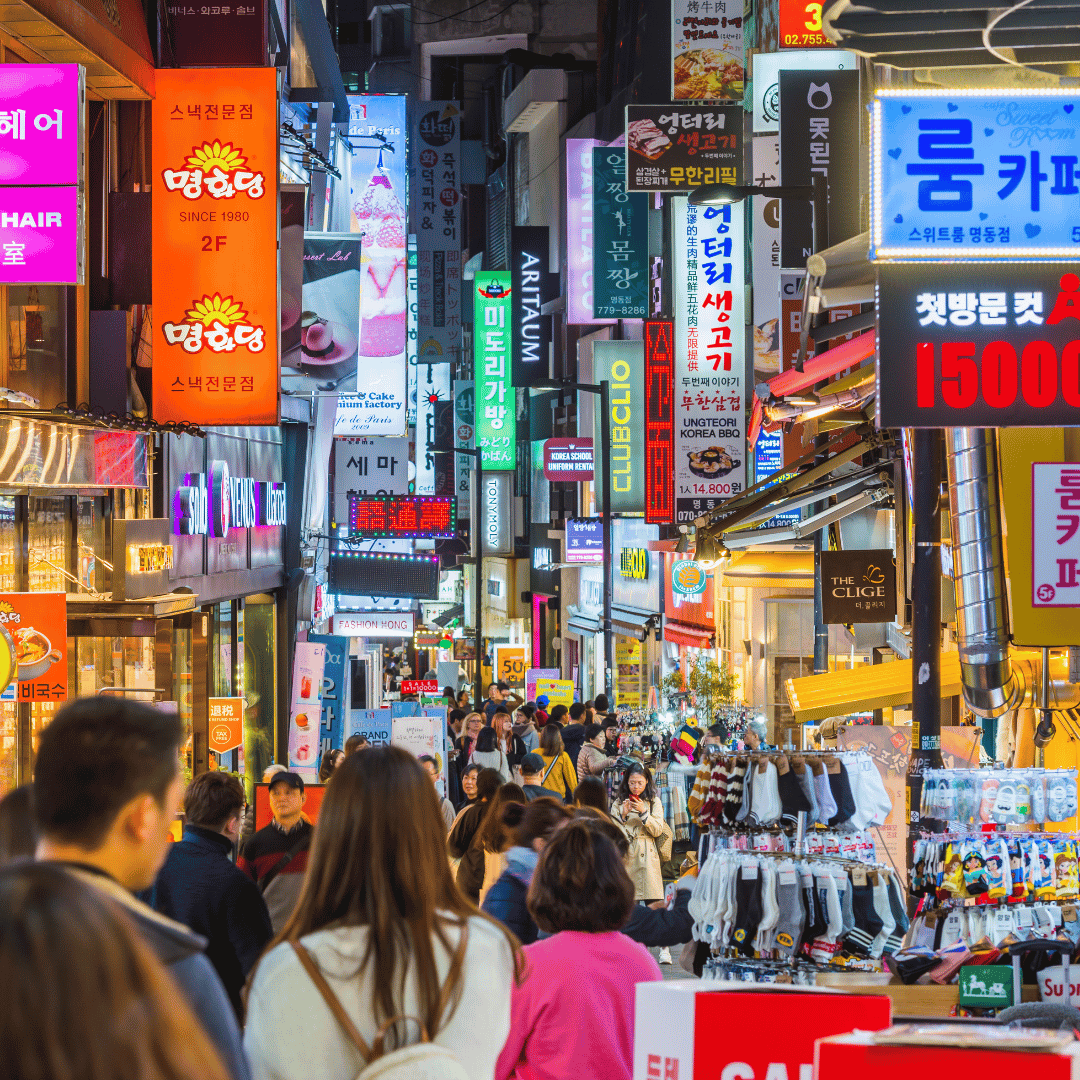
10. Capture Korea at Its Most Photogenic
Autumn gives photographers an enormous variety of subjects. A single trip can include golden ginkgo-lined streets, red maple forests, traditional architecture, mountain landscapes, modern city skylines, and colourful markets.
Some of the most photogenic locations include Namsan in Seoul, Nami Island, Seoraksan, Hwadam Botanic Garden, Naejangsan, and Bulguksa Temple in Gyeongju. Korea Tourism Organization also highlights locations such as Gyeongbokgung Palace, Seoul Forest, Olympic Park, Seokchonhosu Lake, and Deoksugung Palace's Stone Wall Path among its recommended autumn foliage spots.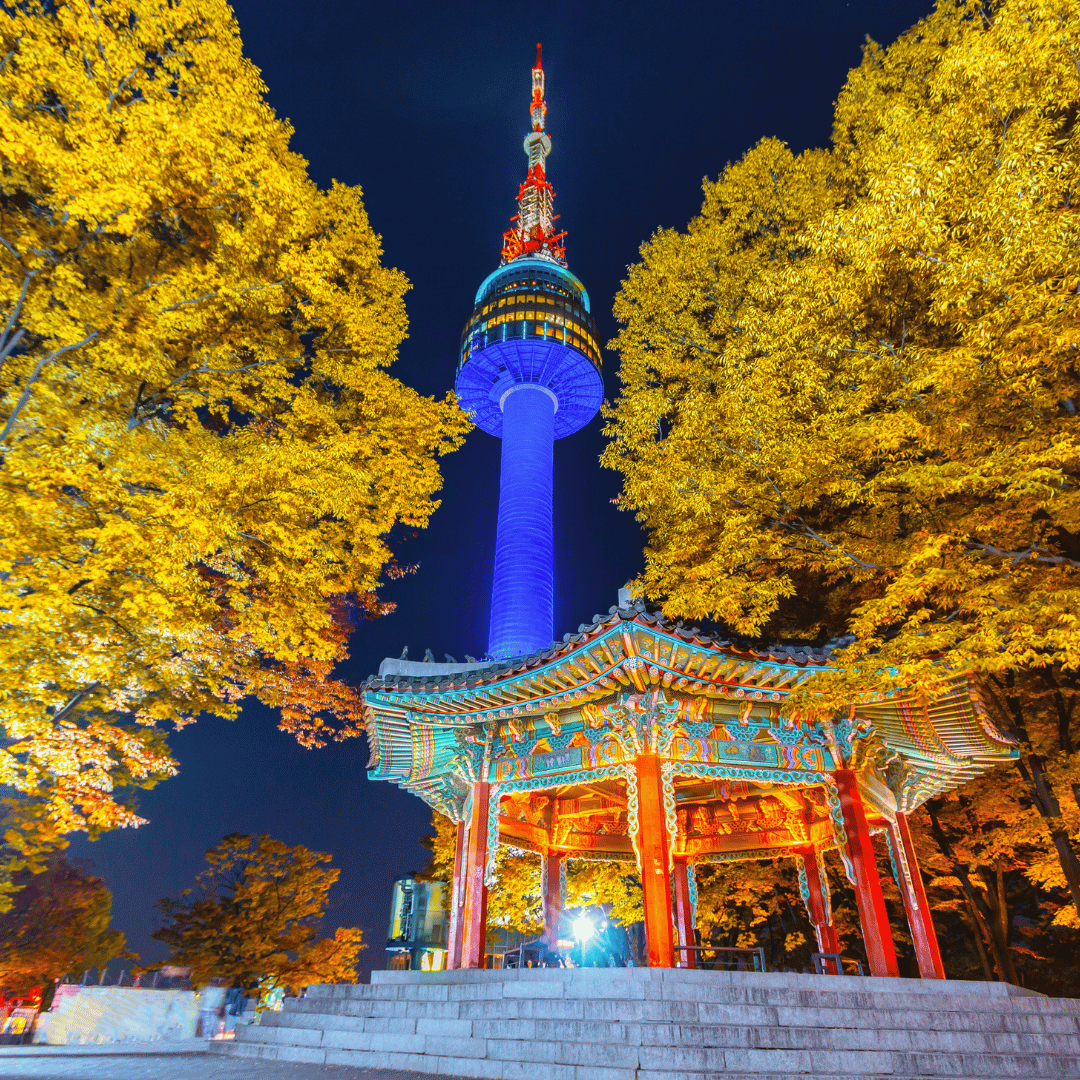
Travel Tips for Visiting South Korea in Autumn
If autumn foliage is your main reason for visiting, October and early November are generally the most important period to consider, although the best dates vary by location and weather conditions each year. Mountainous and northern areas can begin changing colour earlier, while some southern destinations reach their peak later.
Pack layers rather than relying on heavy winter clothing, as mornings and evenings can feel considerably cooler than afternoons. Comfortable walking shoes are also essential, especially if your itinerary includes national parks, palace grounds, or long city walks.
It is also worth checking local foliage forecasts close to your travel dates, as the exact peak can shift with weather conditions.
Final Thoughts
Autumn gives South Korea an extraordinary combination of colourful landscapes, comfortable sightseeing conditions, cultural experiences, seasonal food, and exciting festivals. You can spend one day walking beneath golden ginkgo trees in Seoul, another exploring a mountain covered in red and orange foliage, and another discovering historic temples surrounded by autumn scenery.
For travellers who want to experience Korea beyond its famous K-pop, shopping, and modern city culture, autumn offers an opportunity to see a more scenic and traditional side of the country. With spectacular foliage appearing across cities, mountains, temples, and countryside, South Korea in autumn is an experience worth adding to any travel bucket list.