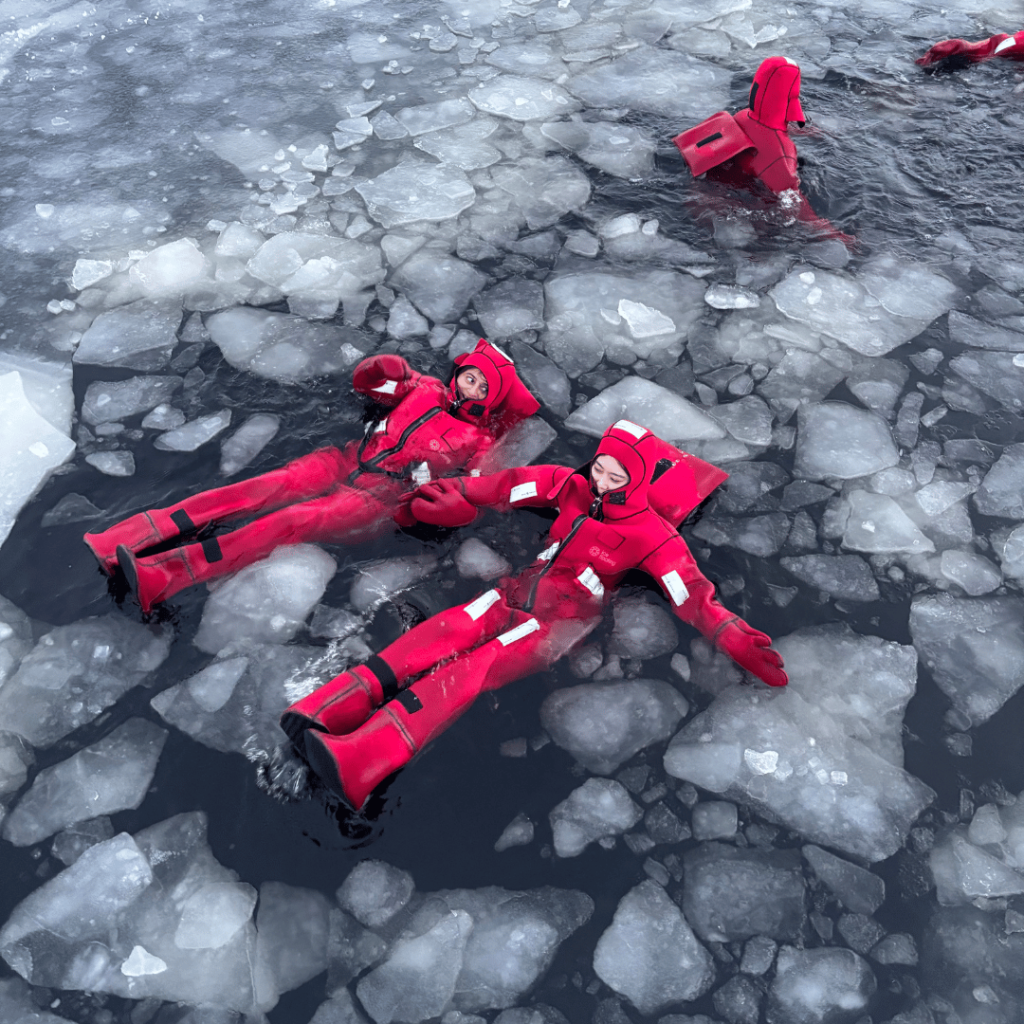
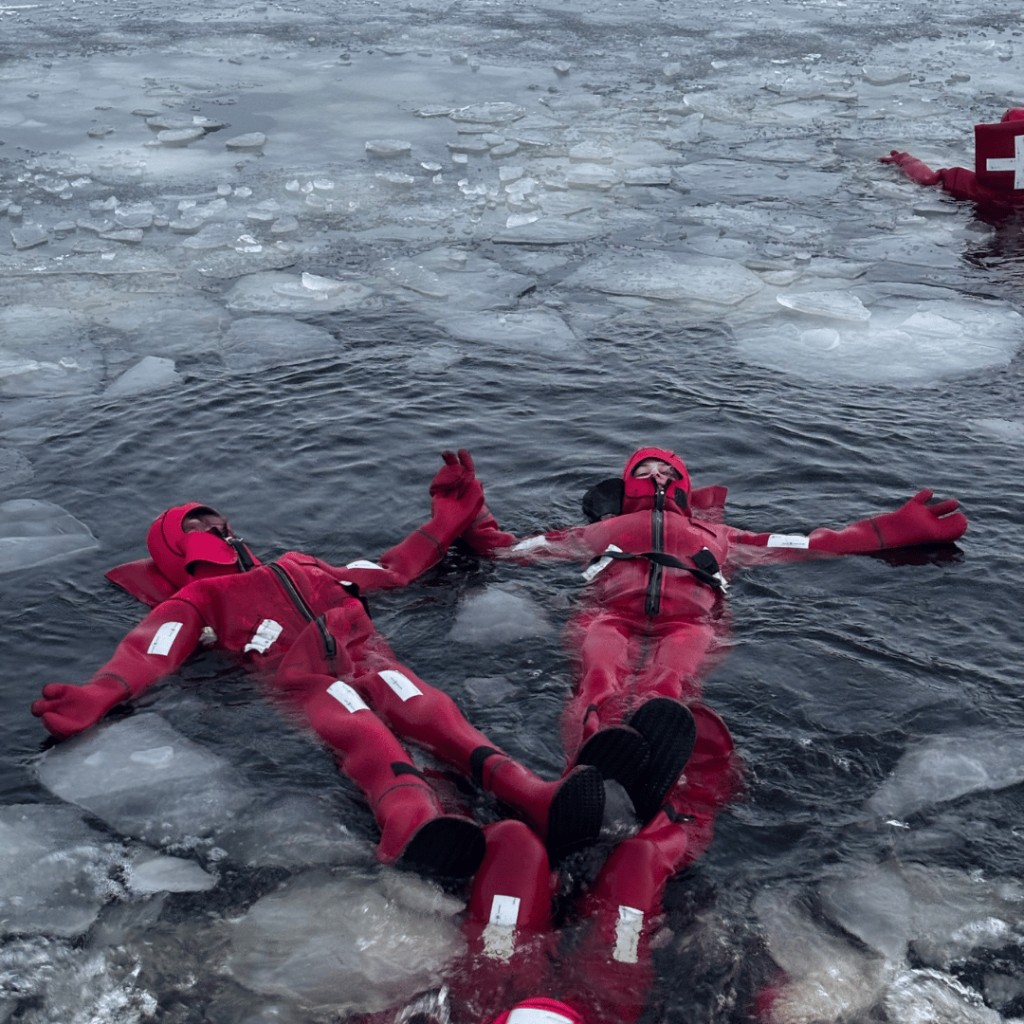
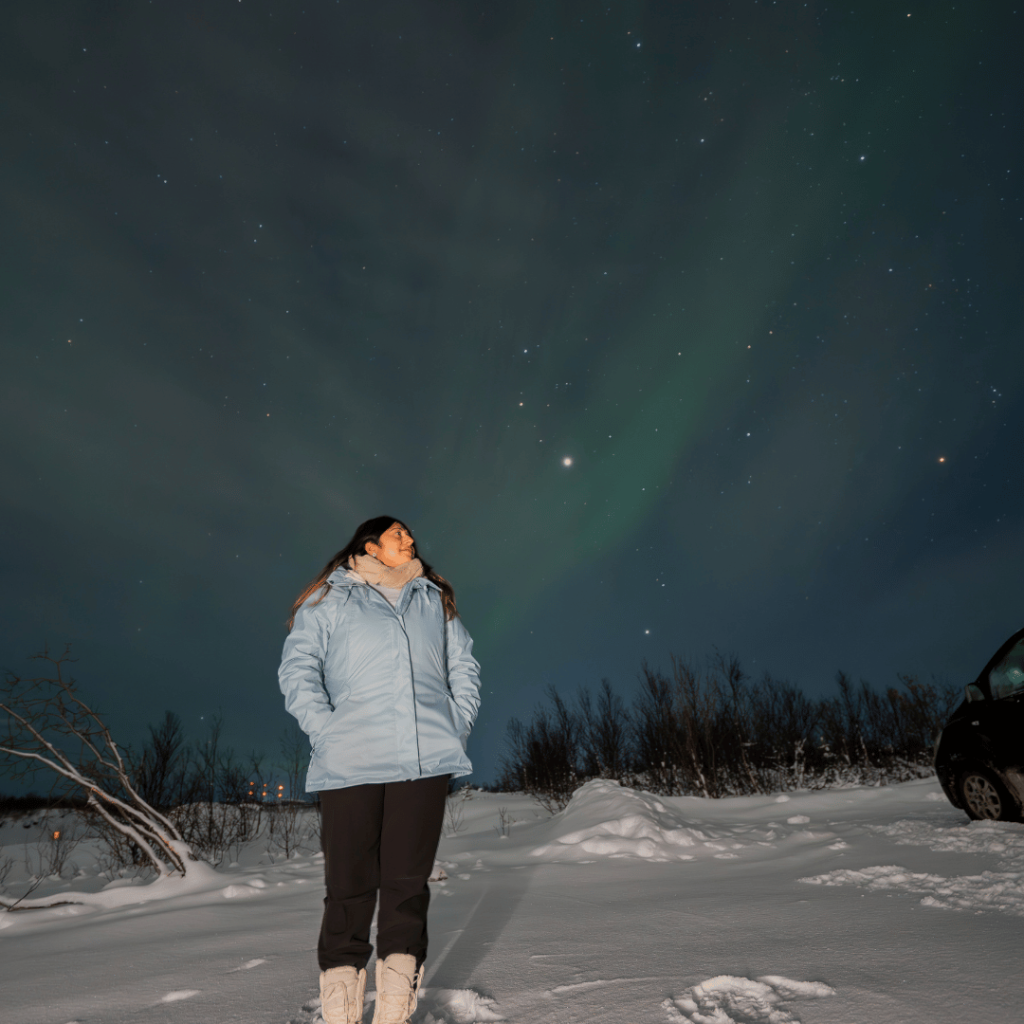
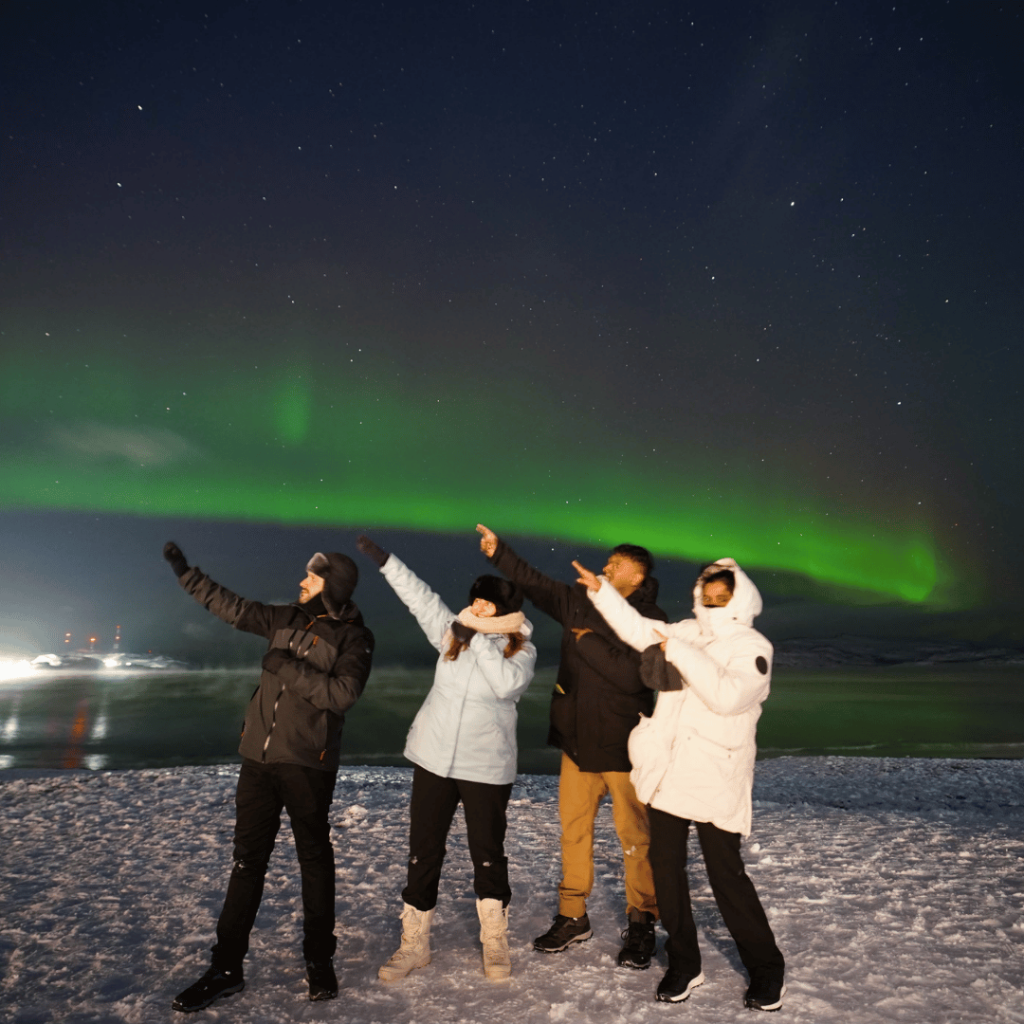
Russia in winter is a completely different experience. Snow-covered cities, frozen lakes, historic palaces, Arctic landscapes, and mountain resorts give the country a distinctive seasonal character. From the illuminated streets of Moscow to the frozen landscapes of Lake Baikal and the Northern Lights of Murmansk, winter offers experiences that simply are not available in warmer months.
Winter generally runs from December into March across much of Russia, although conditions vary greatly by region. Here are ten places to consider for a winter trip to Russia.
1. Moscow
Moscow becomes especially atmospheric in winter, with snow-covered squares, illuminated streets, historic buildings, and seasonal ice rinks creating a classic Russian winter scene. Start with Red Square, the Kremlin, St Basil's Cathedral, and GUM, then visit Zaryadye Park for city views. Moscow's parks also offer seasonal skating, including at Gorky Park.
Winter is also a good time to experience Moscow's museums, theatres, cafés, and traditional food. Warm up with Russian favourites such as borscht, pelmeni, blini, and hot tea after exploring the city.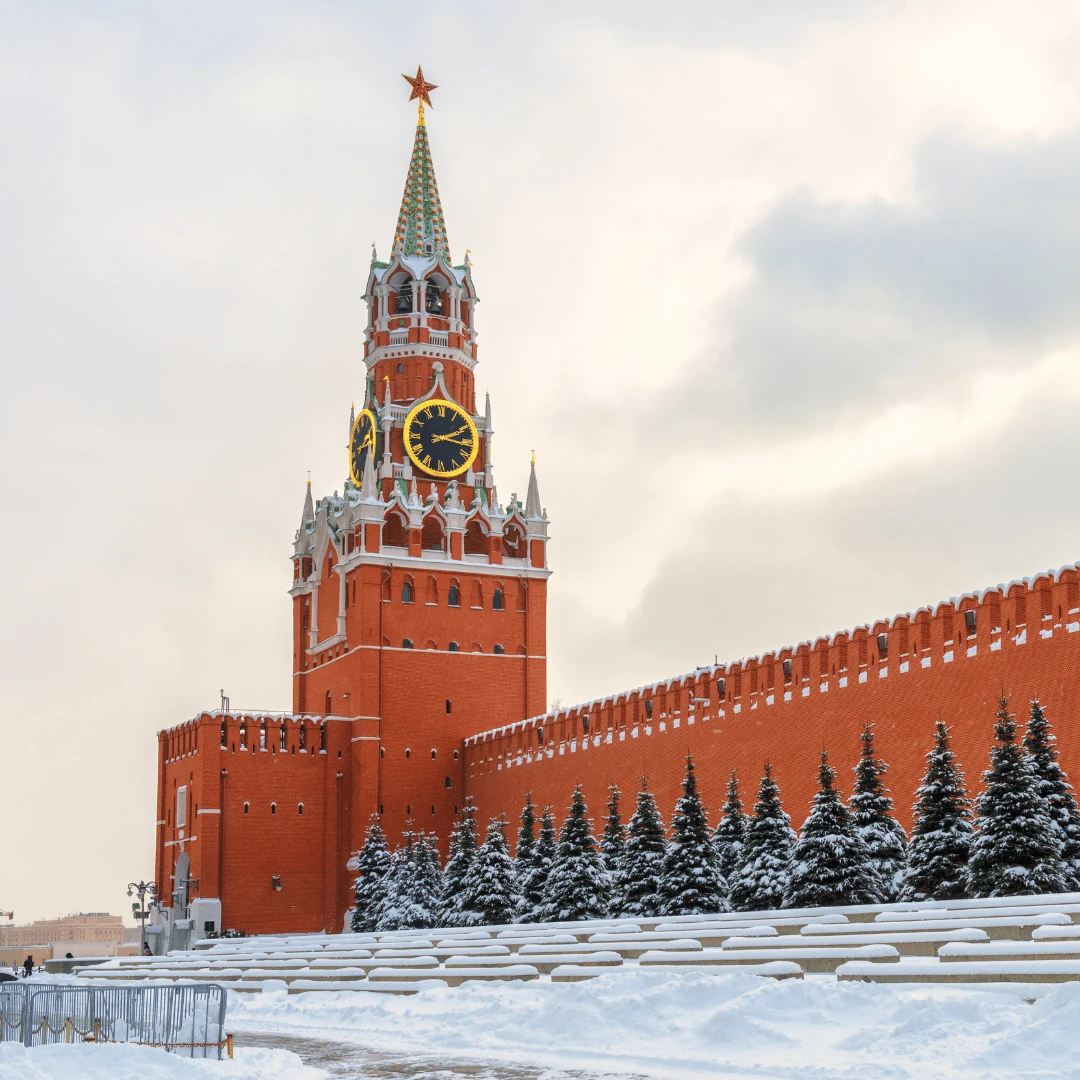
2. Saint Petersburg
Saint Petersburg takes on a quieter, atmospheric character under snow. The city's grand palaces, canals, churches, and museums provide plenty to explore when temperatures drop. The Winter Palace and Hermitage Museum are among the city's essential sights.
Visit the Church of the Savior on Spilled Blood and explore Nevsky Prospekt, then take a winter excursion to Catherine Palace in Pushkin or Pavlovsk Palace and Park. Inside the city's cafés and restaurants, try hearty Russian dishes and warming drinks.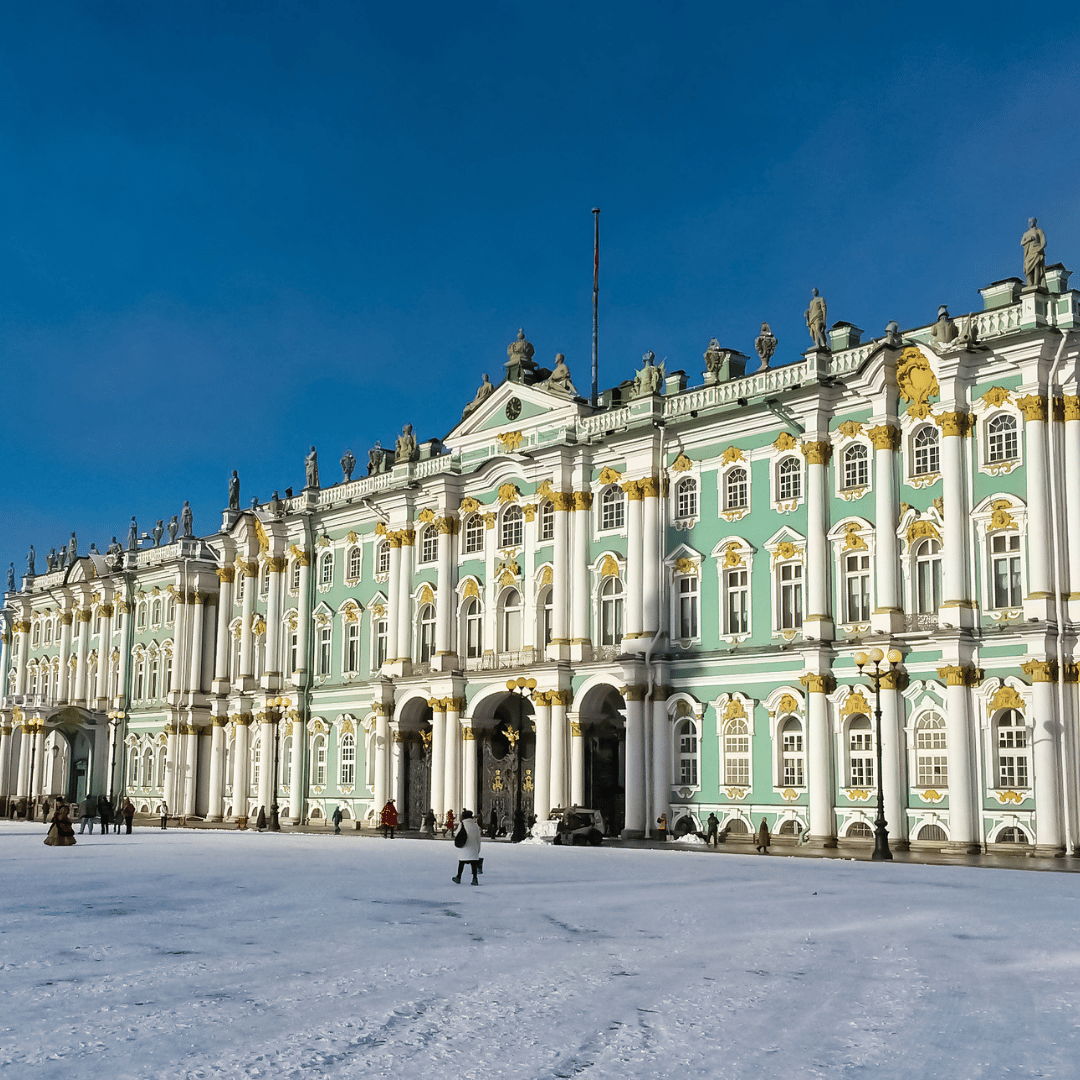
3. Lake Baikal
Lake Baikal is one of Russia's most spectacular winter destinations. When the lake freezes, parts of its surface can develop transparent ice, frozen bubbles, cracks, and dramatic blue formations. The exact timing and accessibility of the ice depend on local weather and ice conditions.
Base yourself around Listvyanka or travel towards Olkhon Island to experience the frozen landscape. Guided winter excursions can include ice photography, snowmobiling, and visits to remarkable ice formations. The cold can be extreme, so proper insulated clothing and experienced local guides are important.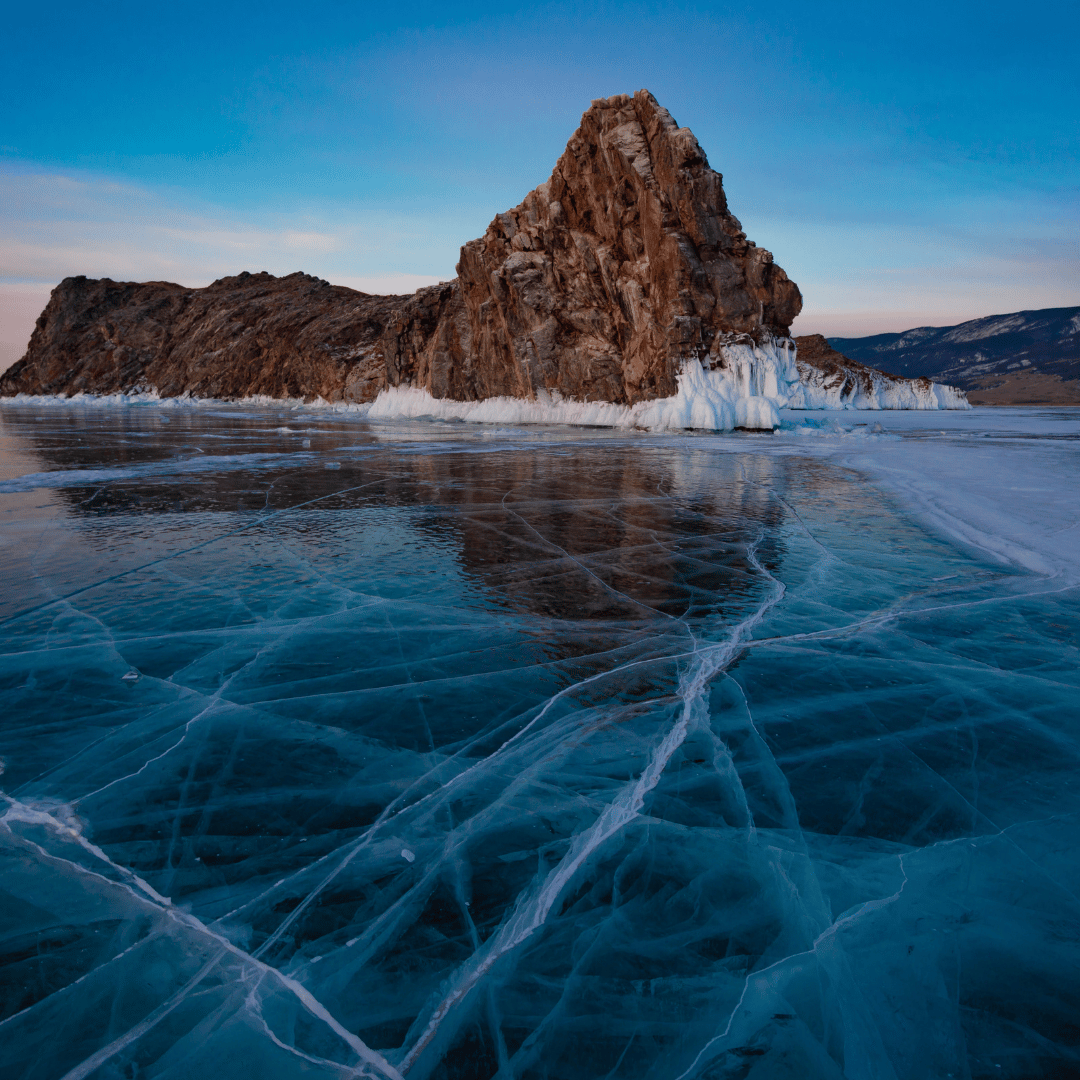
4. Kamchatka Peninsula
Kamchatka is one of Russia's most remote winter destinations, offering volcanoes, snow-covered wilderness, and geothermal landscapes. Around Petropavlovsk-Kamchatsky, visitors can see volcanic peaks such as Avachinsky and Koryaksky and explore the snowy landscape on guided winter excursions.
Winter also brings opportunities for dog sledding, skiing, snowmobile trips, and visits to natural hot springs. The combination of volcanic scenery, deep snow, and geothermal activity makes Kamchatka a particularly unusual winter destination for adventurous travellers.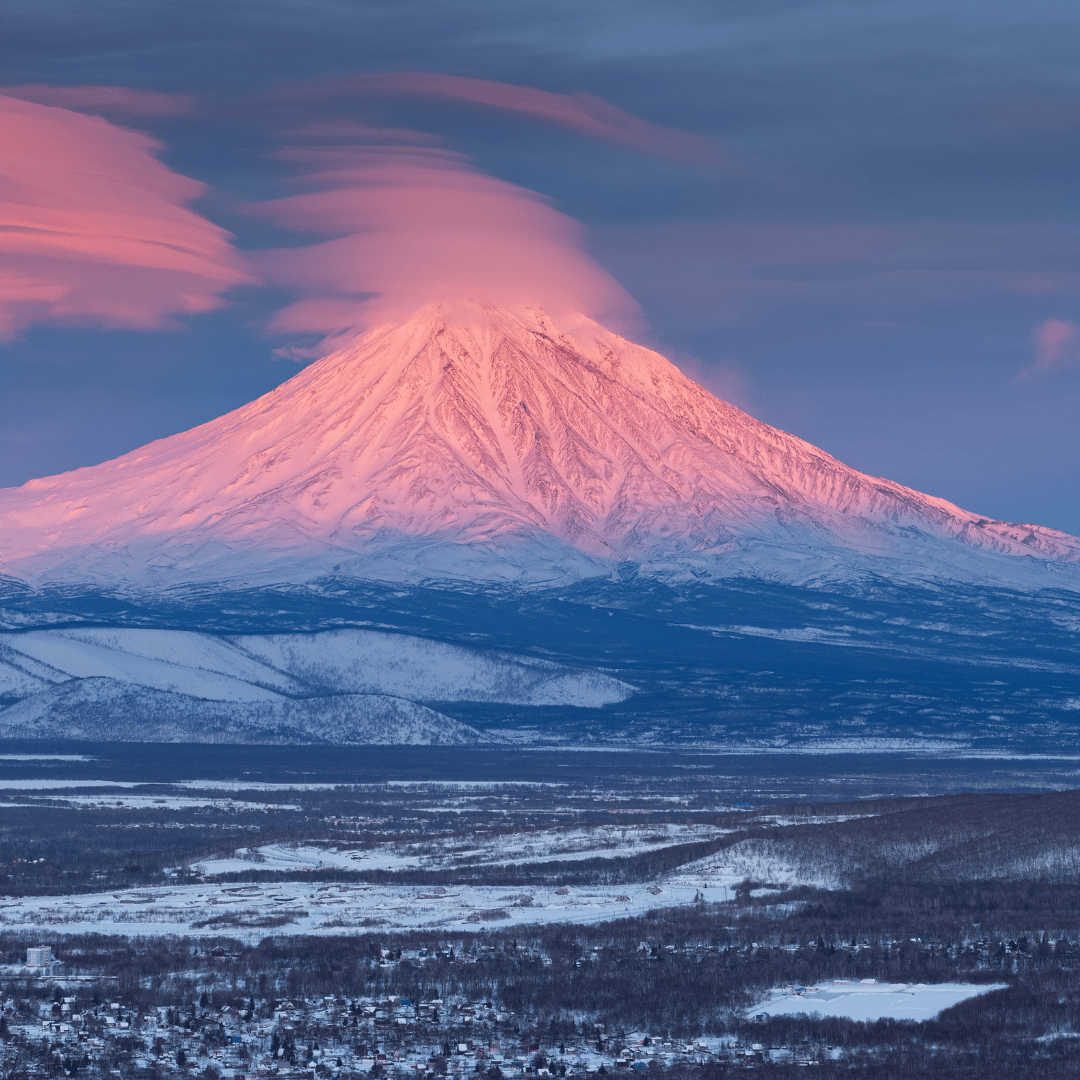
5. Murmansk and the Kola Peninsula
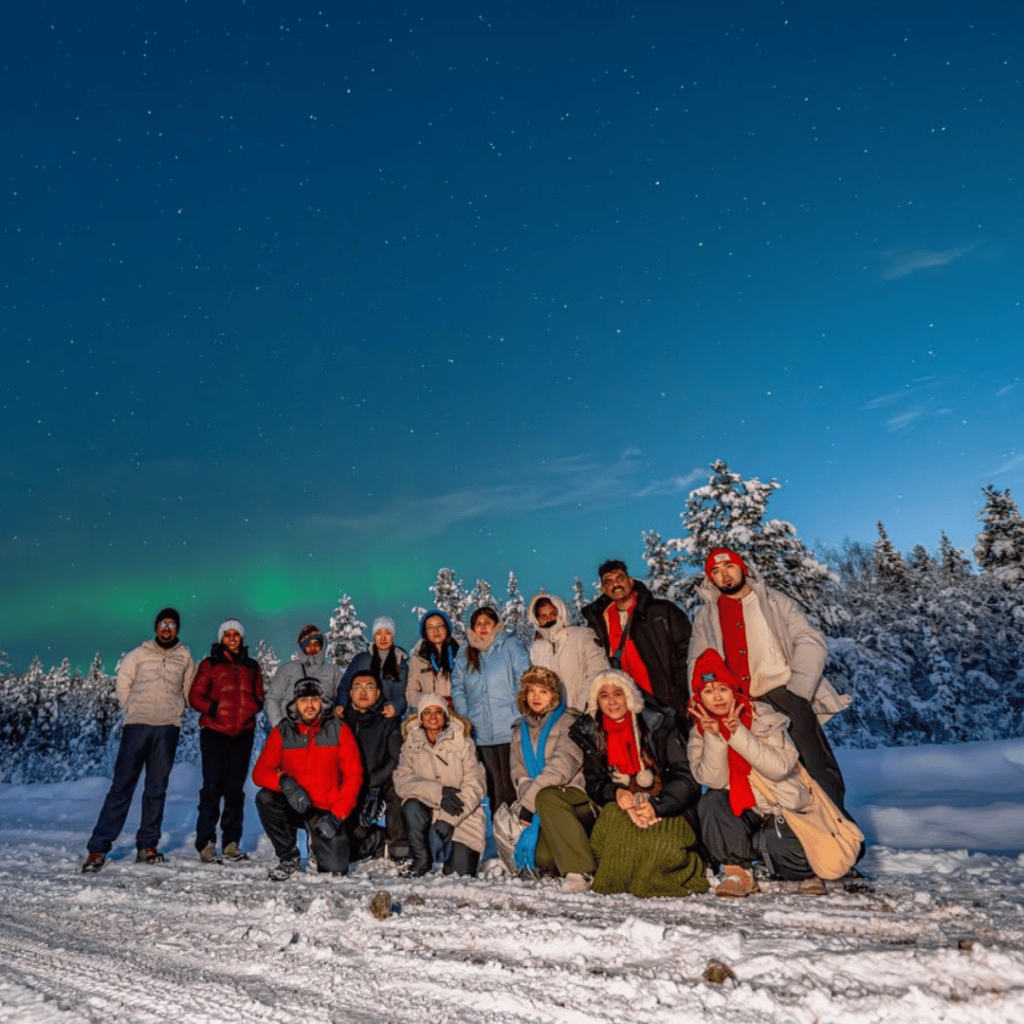
Murmansk is one of Russia's best-known bases for experiencing the Northern Lights. During the darker months, clear nights around the Kola Peninsula can provide opportunities to see the aurora away from city lights. Local tourism operators recommend guided aurora hunts based on weather and forecast conditions.
Plan an evening excursion with a local guide and dress for long periods outdoors. Other winter experiences include reindeer and husky activities, snowmobile trips, and Arctic attractions in Murmansk. Later winter brings more daylight while still offering strong opportunities for aurora viewing.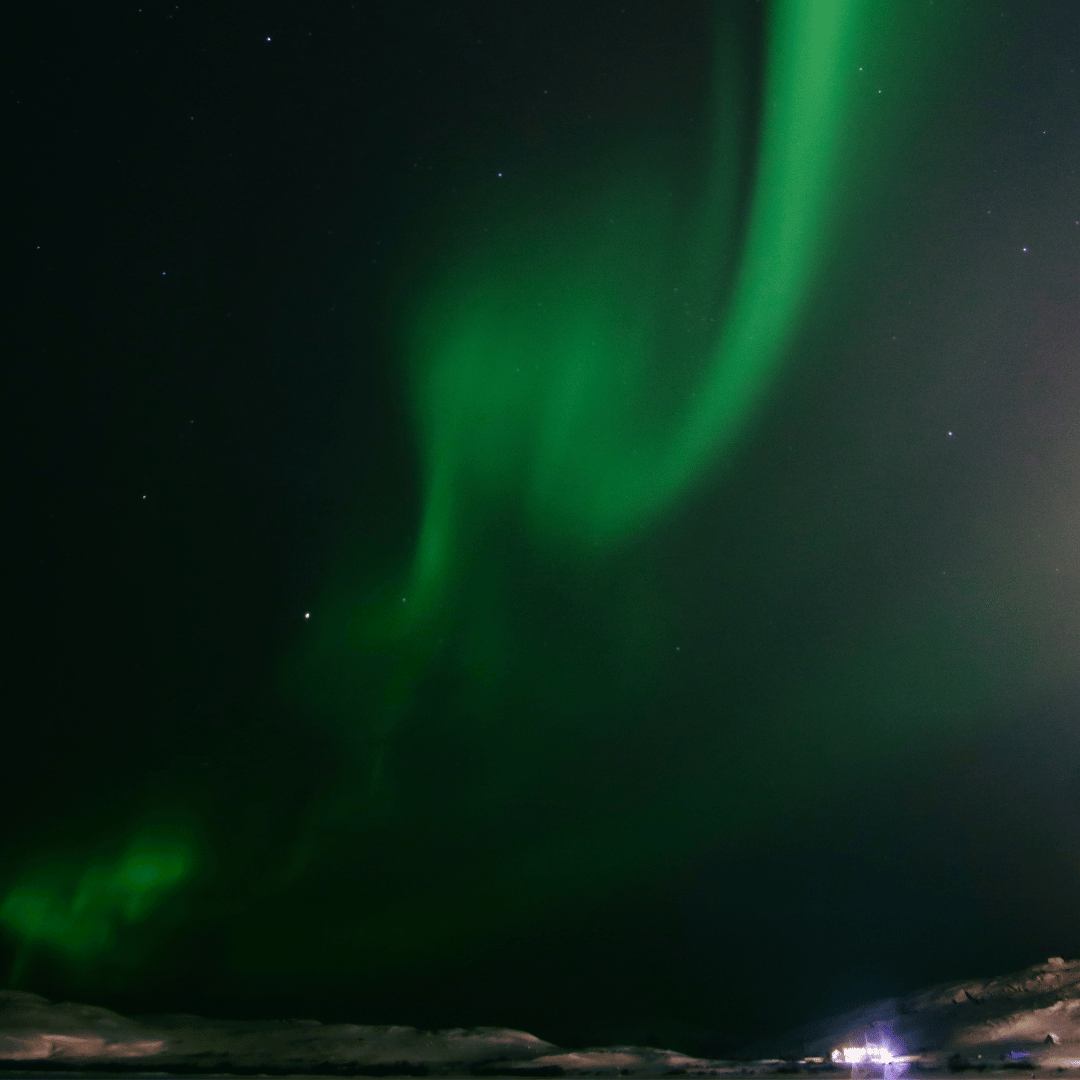
6. Karelia
Karelia offers a peaceful winter escape filled with forests, lakes, snowy landscapes, and traditional cultural attractions. The region is well suited to travellers who want outdoor experiences in a quieter setting. Winter activities can include snowshoeing, cross-country skiing, winter fishing, and dog sledding, depending on local conditions.
Visit Kivach Nature Reserve and Ruskeala Mountain Park, or explore the region's winter forests and lakes. The historic wooden architecture of Kizhi Island can also be included in a wider Karelia itinerary, although winter transport requires careful planning.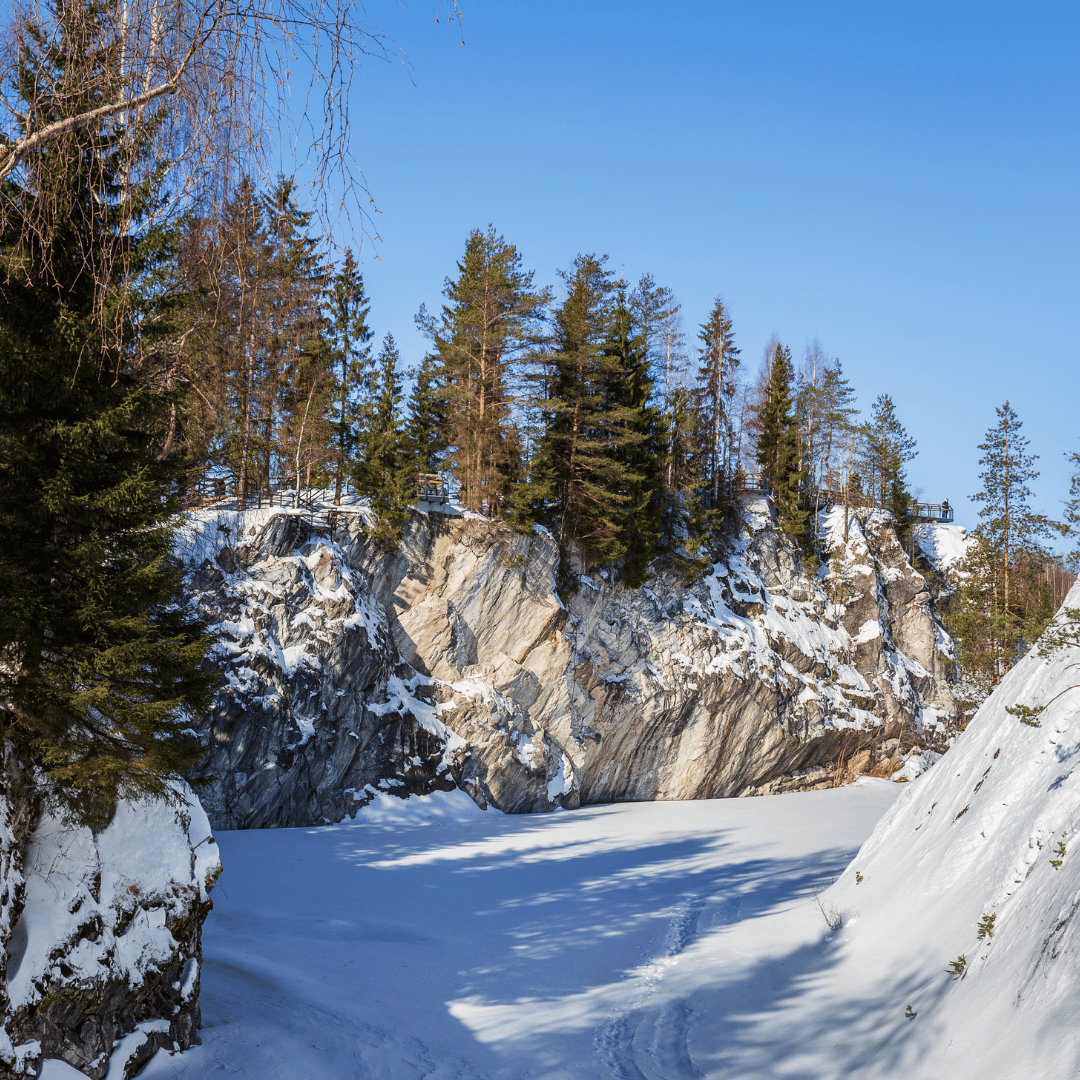
7. The Golden Ring
The historic towns of Russia's Golden Ring become especially picturesque in winter. Snow-covered churches, monasteries, wooden houses, and quiet streets create a strong sense of traditional Russian architecture and history.
Suzdal, Vladimir, and Sergiev Posad are among the best-known stops. In Suzdal, explore the Kremlin, monasteries, and historic streets, while Sergiev Posad is home to the important Trinity Lavra of St Sergius. The region is ideal for travellers interested in history, architecture, Orthodox culture, and traditional food.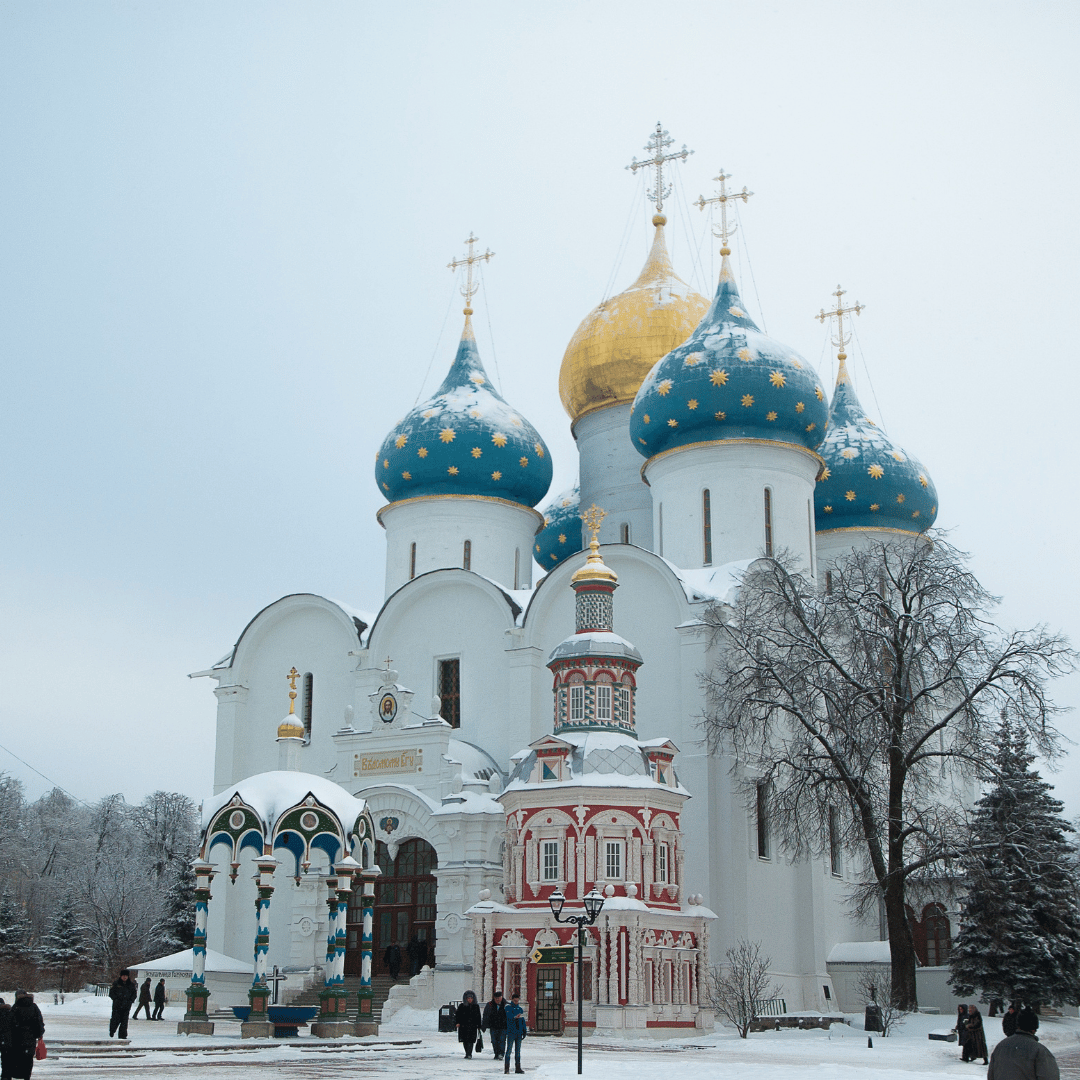
8. Sochi and Krasnaya Polyana
Sochi provides a very different winter experience from the snowy cities and Siberian wilderness. The city sits beside the Black Sea, while the mountains of Krasnaya Polyana rise nearby, creating an unusual combination of coastal and alpine scenery.
Head into the mountains for skiing, snowboarding, gondola rides, and panoramic views around resorts such as Rosa Khutor. Non-skiers can enjoy the mountain scenery, while Sochi itself offers a milder coastal atmosphere. This contrast between snowy mountains and the subtropical coast makes the region especially distinctive in winter.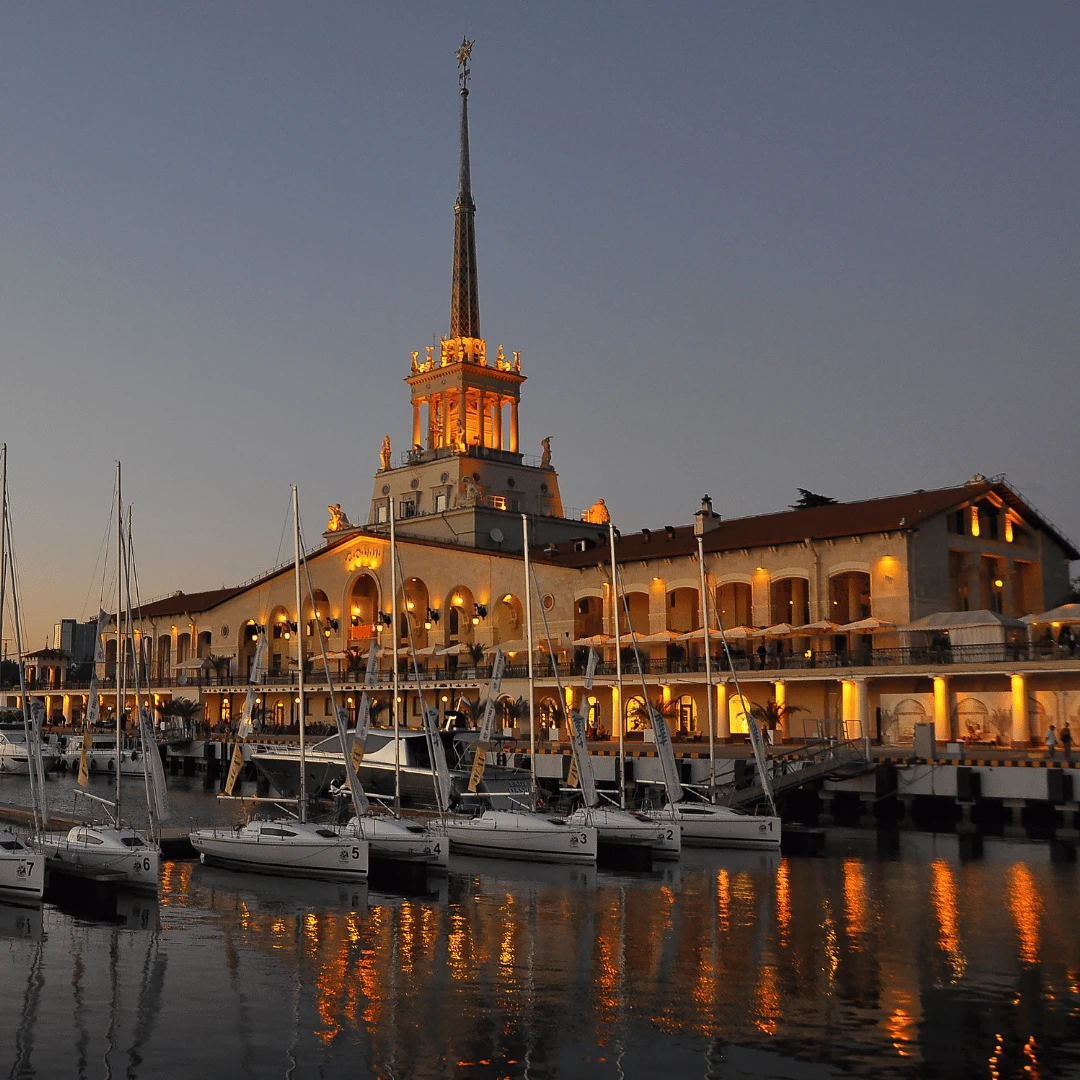
9. Yekaterinburg and the Ural Mountains
Yekaterinburg offers a different perspective on Russia, combining urban culture with the landscapes of the Ural Mountains. The city is also associated with the geographical divide between Europe and Asia.
Visit the Church on the Blood, explore the city's museums and architecture, and take a trip towards the Europe–Asia border marker outside the city. In the surrounding region, winter activities can include skiing and snowmobiling depending on conditions. It is a good option for travellers who want to experience a less conventional side of Russia.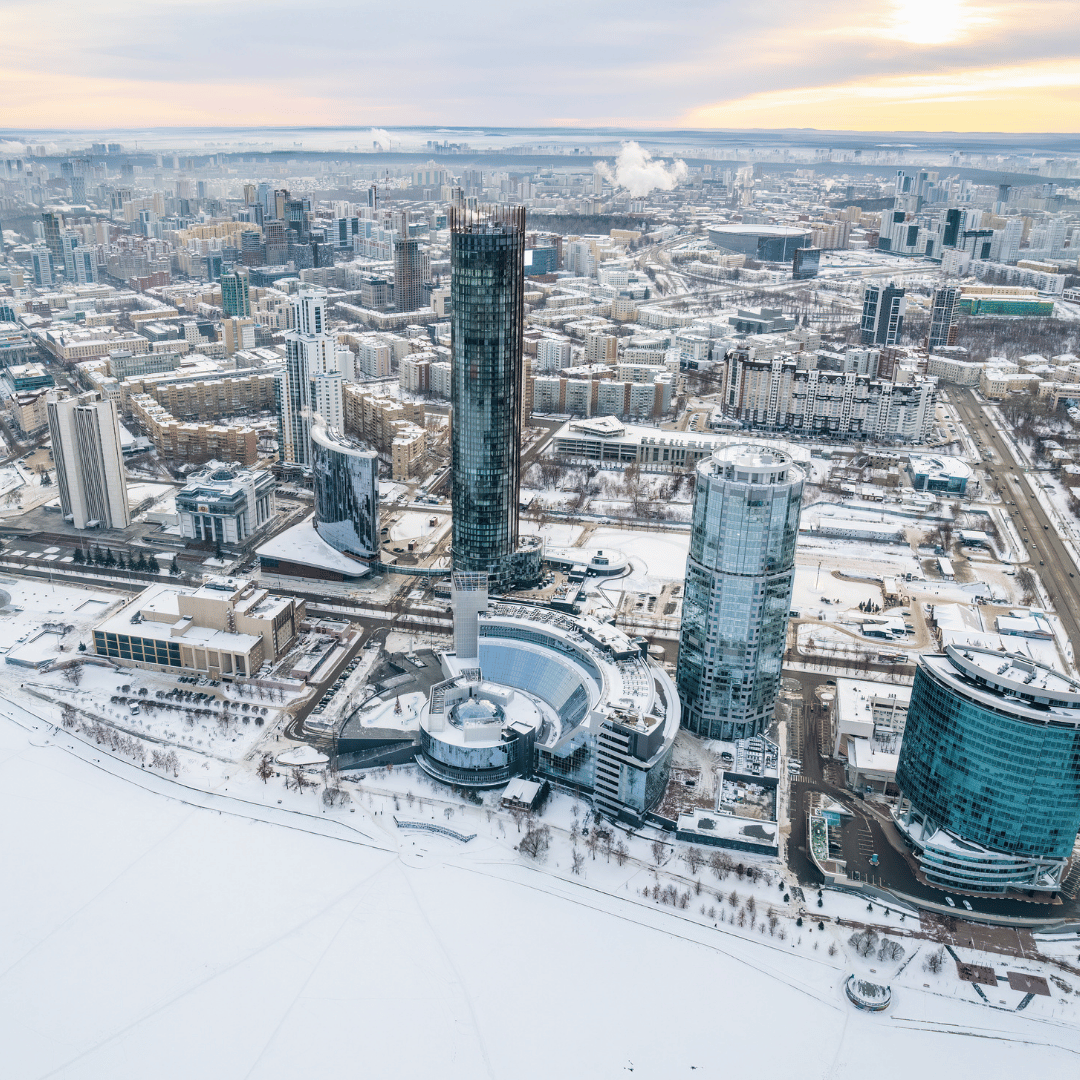
10. Altai Mountains
The Altai Mountains are an excellent choice for travellers seeking remote winter scenery, frozen rivers, snowy valleys, and traditional culture. The official Altai tourism portal highlights winter activities including skiing, snowmobile trips, winter fishing, dog sledding, and cultural experiences.
Lake Teletskoye and the surrounding mountain landscapes are among the region's highlights. Local winter routes can combine outdoor activities with stays in lodges and other accommodation, making Altai a strong choice for travellers looking for a more adventurous winter escape.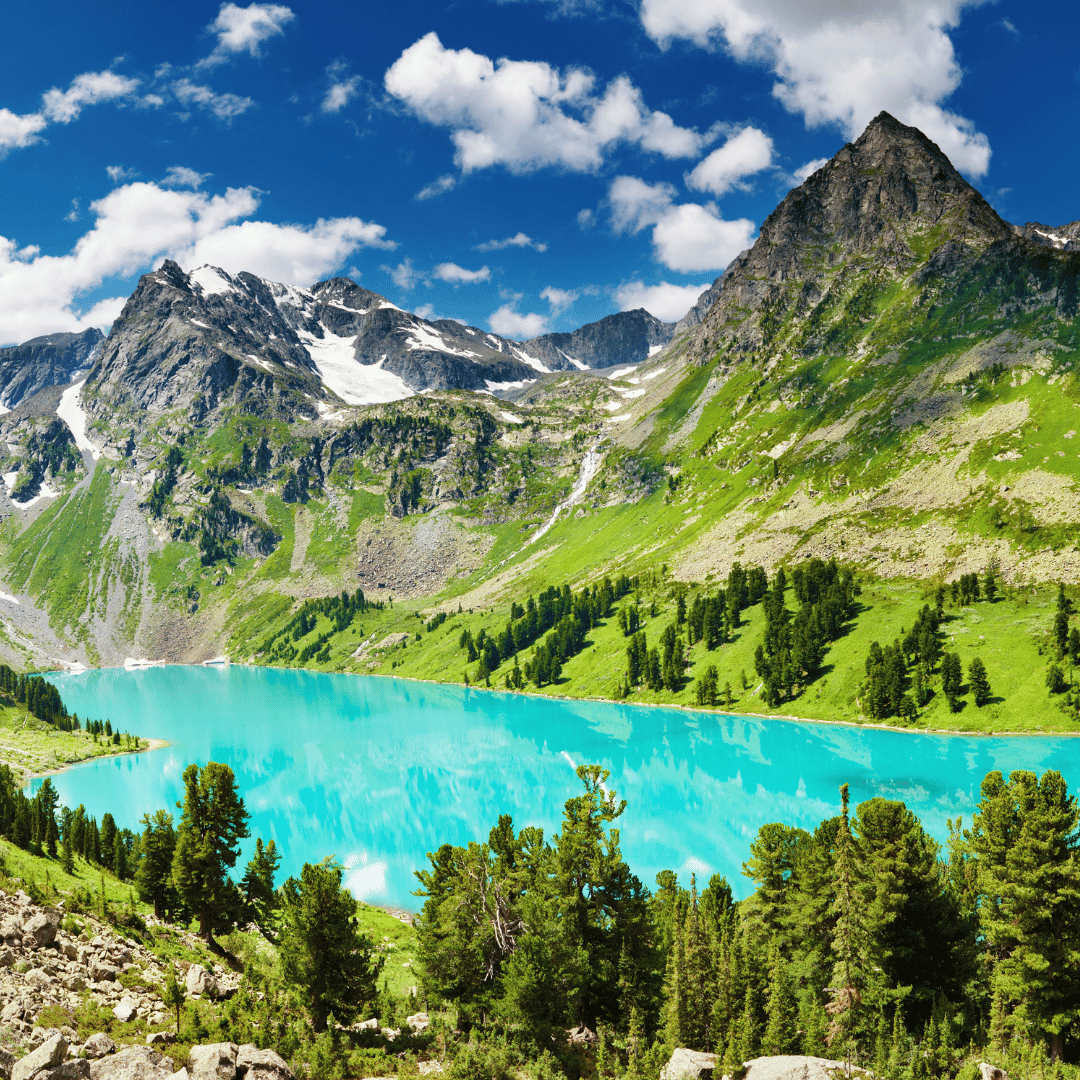
Planning Your Russia Winter Trip
Winter conditions vary dramatically across Russia, so your packing list should depend on your destination. Moscow and Saint Petersburg require warm layers and waterproof footwear, while Siberia, the Arctic, and remote mountain regions may require specialised cold-weather clothing.
Plan carefully for destinations such as Baikal, Kamchatka, Murmansk, and Altai, where weather can affect roads, tours, and transport. Ice activities on Lake Baikal should only be undertaken when local conditions are confirmed safe and with experienced operators. Visa and entry requirements depend on nationality and can change, so check the latest official requirements before booking.
Want to Explore Russia With Us?
Turn your Russia winter plans into a memorable group adventure with Wovoyage. Join our women-only Russia trip and experience the country's incredible landscapes, culture, and winter charm with a like-minded community. Check the complete itinerary and trip details here → https://www.wovoyage.com/tour/russia-hunt-for-northern-lights-moscow-murmansk-teriberka-and-saint-petersburg
Final Thoughts
Russia in winter offers much more than snow-covered cities. You can explore imperial palaces in Saint Petersburg, watch the Northern Lights in Murmansk, experience frozen Lake Baikal, ski in the Caucasus, or discover the remote landscapes of Kamchatka and Altai.
Whether you are travelling for winter photography, culture, adventure, food, or simply the experience of seeing Russia under snow, these destinations offer very different ways to experience the country during its most distinctive season.